If you have posture problems, the best doctor to consult depends on the cause of your issue. A physiotherapist or posture assessment specialist is usually the first choice for posture correction, movement problems, and muscle imbalance. If you have severe pain, injury, or spine-related concerns, an orthopaedic doctor may be required.
Introduction
Poor posture has become very common due to modern lifestyles. Long working hours, excessive screen time, incorrect sitting habits, and lack of physical activity can affect the way your body moves and feels.
Many people notice signs like rounded shoulders, neck stiffness, back discomfort, or difficulty maintaining a straight posture. However, one common question remains: “Which doctor should I see for posture problems?”
The answer depends on your symptoms and the reason behind your posture issue. Some people need movement correction through physiotherapy, while others may require medical evaluation from an orthopaedic specialist.
Understanding which healthcare professional can help you is the first step towards improving your posture and preventing future problems.
What Type of Doctor Treats Posture Problems?
Posture problems are usually related to muscles, joints, movement patterns, or body alignment. The right specialist depends on your condition.
| Condition | Right Specialist |
| Poor posture without pain | Physiotherapist / Posture Assessment Specialist |
| Muscle weakness or imbalance | Physiotherapist |
| Neck or back pain due to posture | Physiotherapist or Orthopaedic Doctor |
| Spine-related issues | Orthopaedic Doctor |
| Sports-related posture problems | Sports Physiotherapist |
For most people, a physiotherapist for posture correction is a suitable starting point because physiotherapy focuses on improving movement, strength, flexibility, and body alignment.
Should I See a Physiotherapist for Posture Correction?
Yes, a physiotherapist is often the best professional to consult for posture problems.
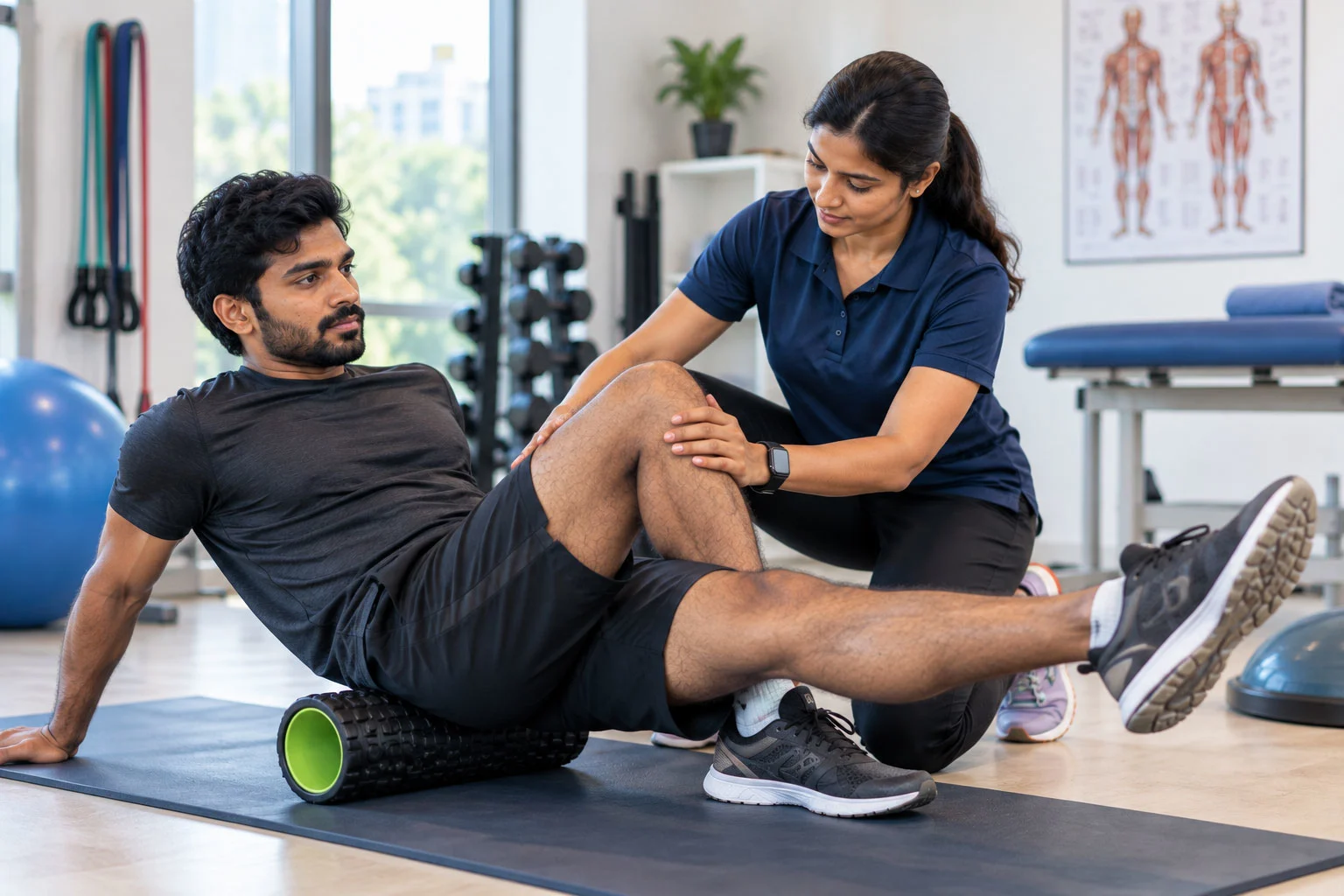
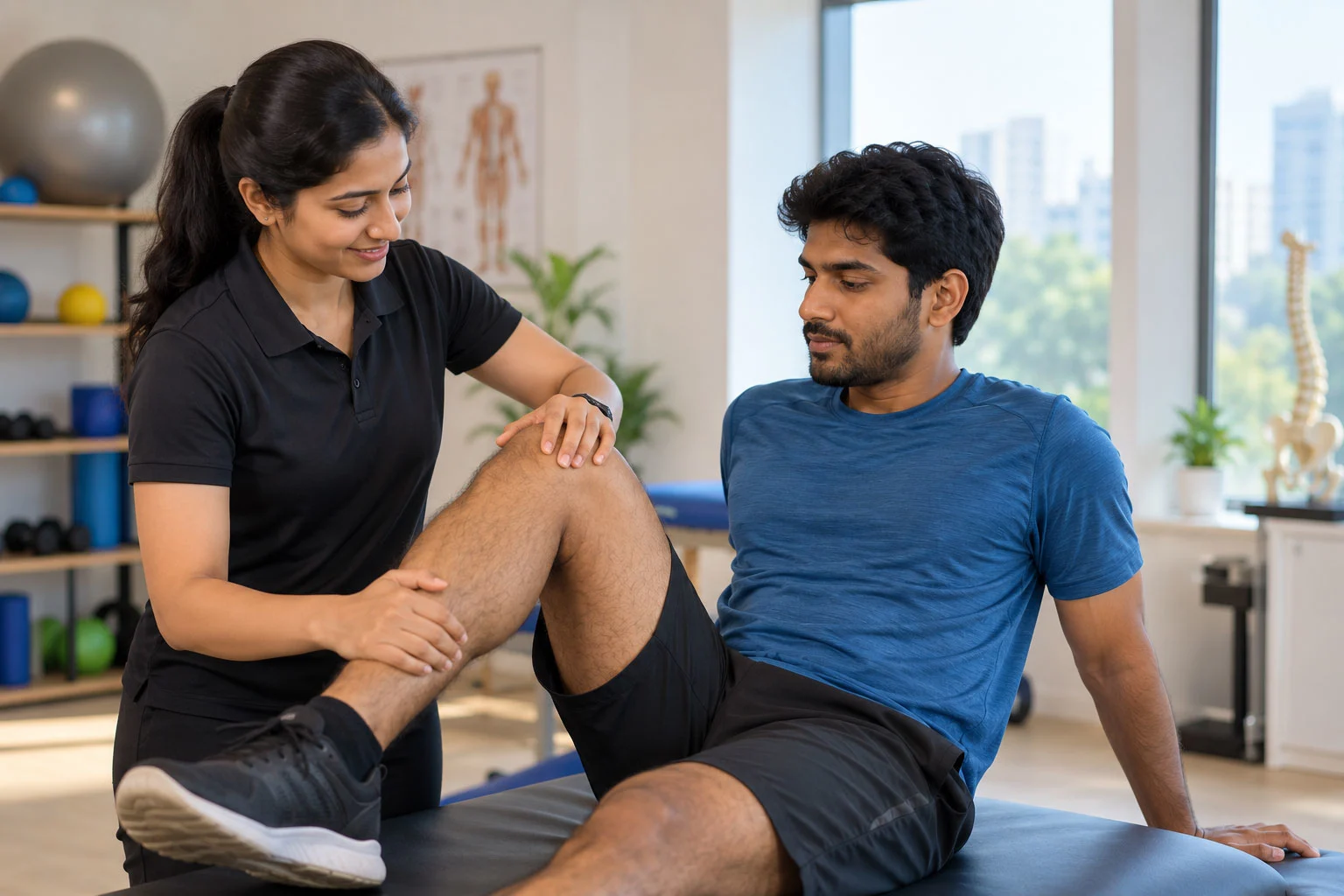
A physiotherapist evaluates how your body moves and identifies the reasons behind poor posture. Instead of only treating symptoms, they focus on correcting the underlying movement issues.
A physiotherapist can help with:
- Posture assessment and body alignment checks
- Muscle strength evaluation
- Improving flexibility and mobility
- Corrective exercises
- Movement training
- Preventing future injuries
For example, people who work on computers for several hours may develop forward head posture, rounded shoulders, or upper back stiffness. A physiotherapist can identify these patterns and create a personalised recovery plan.
When Should You Visit an Orthopaedic Doctor for Posture Problems?
An orthopaedic doctor for posture problems is recommended when your posture issue may involve bones, joints, or the spine.
You should consider an orthopaedic consultation if you experience:
- Severe or ongoing back pain
- Spine injuries
- Numbness or tingling
- Difficulty walking or moving
- Pain after an accident
- Suspected spinal alignment problems
An orthopaedic doctor can diagnose structural issues and recommend appropriate medical treatment if required.
However, many posture problems are caused by weak muscles, poor movement habits, or lifestyle factors. These cases often improve with physiotherapy and movement-based correction.
Physiotherapist vs Orthopaedic Doctor: Which One Is Better?
Both professionals play different roles. Choosing the right one depends on your symptoms.
| Physiotherapist | Orthopaedic Doctor |
|---|---|
| Focuses on movement and function | Focuses on bones, joints, and spine |
| Provides exercises and rehabilitation | Diagnoses medical conditions |
| Helps improve posture and flexibility | Treats injuries and structural problems |
| Suitable for posture correction programs | Suitable for serious pain or injuries |
In some cases, both specialists may work together to provide complete care.
What Happens During a Posture Assessment?
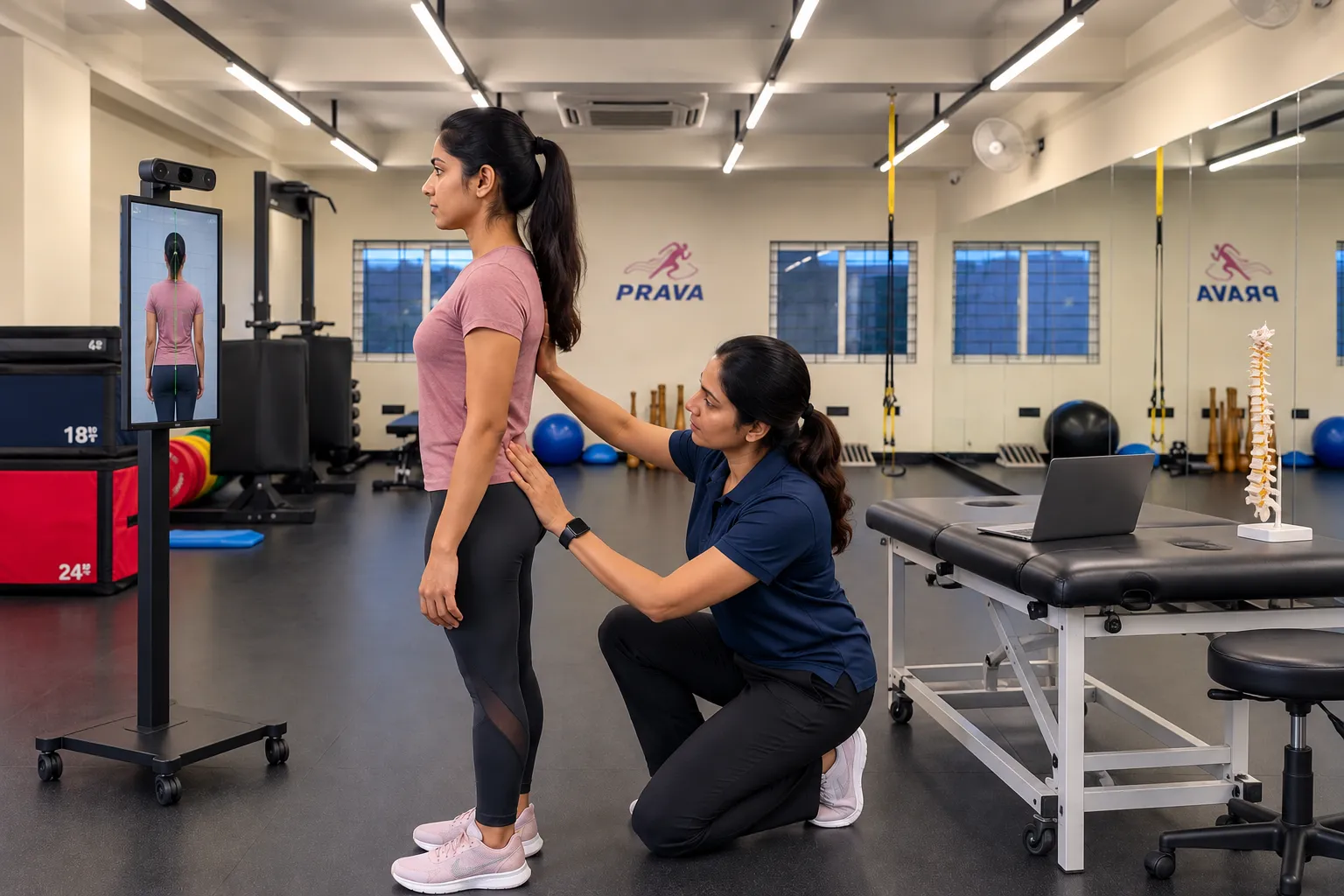
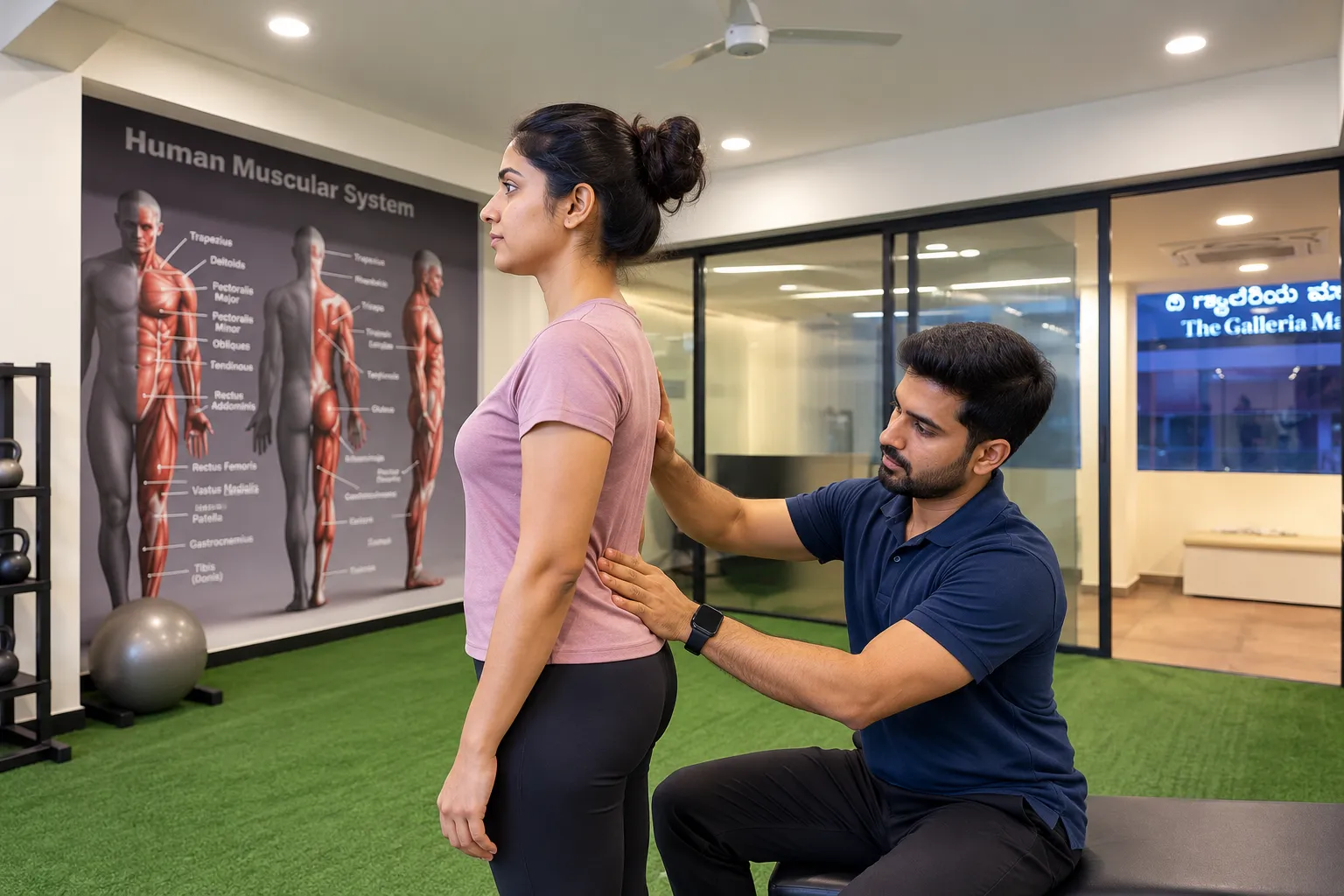
A professional posture assessment specialist evaluates different aspects of your body to understand the cause of your posture problem.
The assessment may include:
Body Alignment Check
The specialist observes your standing posture, sitting position, walking pattern, and body balance.
Muscle and Movement Evaluation
They check muscle strength, flexibility, joint movement, and areas of weakness.
Lifestyle Assessment
Your daily activities, work environment, exercise habits, and previous injuries are considered.
Personalised Recovery Plan
Based on the findings, you may receive exercises, stretching techniques, and movement recommendations.
A professional assessment is more effective than following random online exercises because posture problems are different for every person.
Signs You May Need a Posture Assessment Specialist
You should consider a posture assessment if you notice:
- Rounded shoulders
- Forward head posture
- Frequent neck or back pain
- Uneven shoulders or hips
- Stiffness after sitting
- Difficulty maintaining proper posture
- Reduced flexibility or movement
Early evaluation can help prevent small posture issues from becoming long-term problems.
How to Choose the Best Doctor for Posture Correction?
Before selecting a specialist, ask yourself:
| Question | Importance |
|---|---|
| Do I have pain or only posture concerns? | Helps decide between physiotherapy and medical evaluation |
| Is there an injury involved? | May require an orthopaedic consultation |
| Do I need exercise-based correction? | Physiotherapy may be suitable |
| Is posture affecting my daily activities? | Professional assessment is recommended |
How Prava – The Sports & Movement Clinic Can Help
At Prava – The Sports & Movement Clinic, Yelahanka, Bangalore, posture concerns are approached through movement assessment and rehabilitation.
The clinic focuses on understanding how your body moves, identifying possible limitations, and guiding you with suitable movement strategies.
Whether your concern is related to daily posture, sports performance, muscle imbalance, or movement difficulty, a professional assessment can help you understand the right approach for improvement.
Conclusion
The right doctor for posture problems depends on your symptoms and the cause behind your posture issue. A physiotherapist or posture assessment specialist can help improve alignment, movement, and muscle balance, while an orthopaedic doctor may be needed for serious pain or spine-related concerns.
For expert posture assessment and movement guidance in Yelahanka, Bangalore, consult Prava – The Sports & Movement Clinic and take the right step towards better posture, mobility, and recovery.
FAQs
1. Which doctor treats posture problems?
A physiotherapist or posture assessment specialist usually treats posture problems. An orthopaedic doctor may be needed for spine issues or injuries.
2. Should I see a physiotherapist for posture correction?
Yes. Physiotherapists help improve posture through exercises, movement correction, and muscle strengthening.
3. Can an orthopaedic doctor treat posture problems?
Yes, especially when posture issues are connected to bones, joints, injuries, or spinal conditions.
4. How do I know if I need a posture assessment?
Pain, stiffness, rounded shoulders, poor balance, or difficulty sitting and standing comfortably are signs that assessment may help.
5. Can poor posture be corrected permanently?
Many posture problems can improve with proper exercises, lifestyle changes, and consistent practice.
6. What is the best treatment for bad posture?
Treatment depends on the cause but may include physiotherapy, posture exercises, movement training, and lifestyle changes.